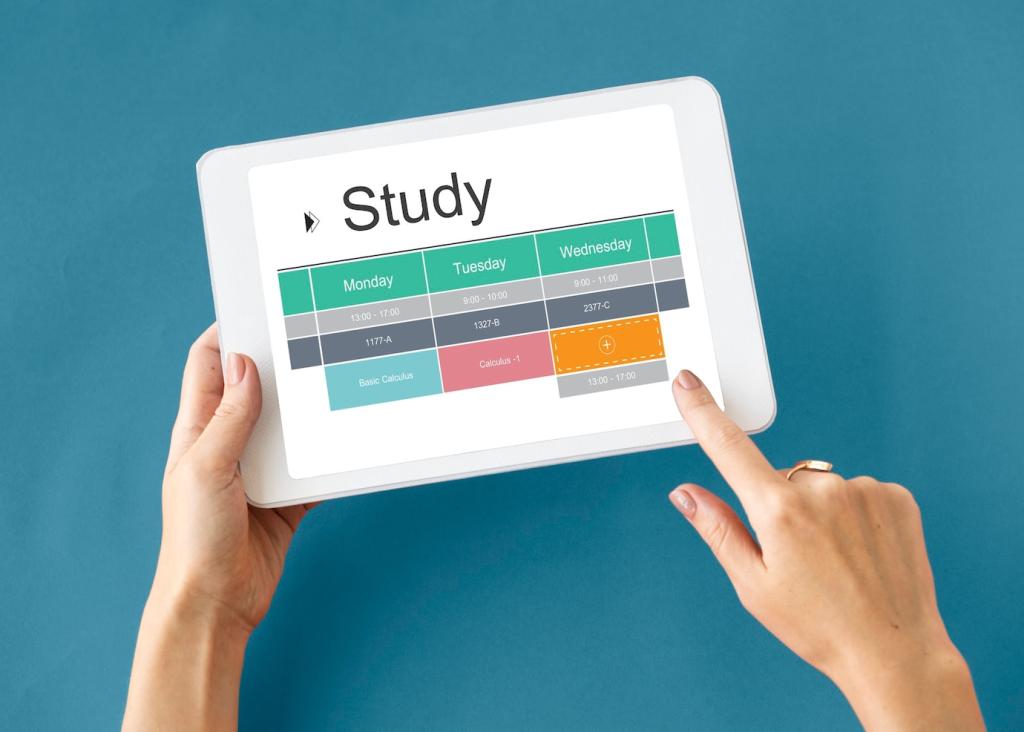
Chosen theme: How to Assess the Effectiveness of Lifelong Learning Platforms. Explore clear, human-centered ways to judge whether learning platforms truly build skills, inspire growth, and deliver measurable impact. Share your goals, subscribe for deeper guides, and help shape a smarter learning future.
Completion counts are helpful, but real effectiveness shows up in outcomes like skill application on the job, fewer errors, and faster time-to-proficiency. Start every evaluation by naming those outcomes explicitly.
Start With a Measurement Mindset
Sketch how content, coaching, and community should produce improved performance. This lightweight map keeps metrics meaningful and avoids vanity numbers that impress dashboards but fail learners and leaders.
Start With a Measurement Mindset
Use pre- and post-assessments mapped to skills frameworks, scenario-based tasks, and reflective prompts. Look for sustained gains, not just one-time test bumps that fade after the certificate confetti settles.
Track on-the-job behavior changes using observation rubrics, QA audits, and manager check-ins. Ask how often new skills appear in real tasks, and what frictions stall practical application.
Measure reduced time-to-competency, improved project velocity, promotion rates, internal mobility, and retention. When possible, link skills growth to quality, customer satisfaction, or revenue to tell a complete story.
Collect Evidence With Mixed Methods
Leverage event streams, xAPI, and your LRS to follow learner journeys across modules and devices. Focus on meaningful signals like spaced practice, retrieval attempts, and reflection cadence, not raw click counts.
Collect Evidence With Mixed Methods
Short pulse surveys capture confidence shifts, while interviews and learner diaries surface obstacles and breakthroughs. These stories translate metrics into decisions leaders and designers can actually act upon.
Connect Skills to Real-World Impact
Job Tasks and Performance Narratives
Invite learners to share task before-and-after examples and artifacts. When a project manager shortens risk reviews using course frameworks, document that workflow shift and the measurable time saved.
Track spaced practice streaks, retrieval attempts, and peer feedback quality. These behaviors predict durable learning better than generic time-on-page or broad usage hours that mask actual progress.
Engagement That Predicts Learning
Watch for question resolution speed, reciprocity in forums, and mentor interactions. Strong community health often multiplies effectiveness by turning content into lived, shared problem-solving.
Calculate ROI Without Losing the Human Story
Estimate how quickly learners reach safe, independent performance and what it costs to get them there. Compare platforms by efficiency, not just content libraries or marketing claims.